The psychological pressure of card counting in casinos
The Basics of Card Counting
Card counting is a strategy often employed in blackjack to gain an edge over the casino by keeping track of the cards that have already been played. Though not illegal, card counting is frowned upon by casinos and can lead to a player being asked to leave. In essence, it requires a player to constantly calculate the ratio of high cards to low cards remaining in the deck. This allows the player to make more informed betting and playing decisions.
The Mental Demands of Card Counting
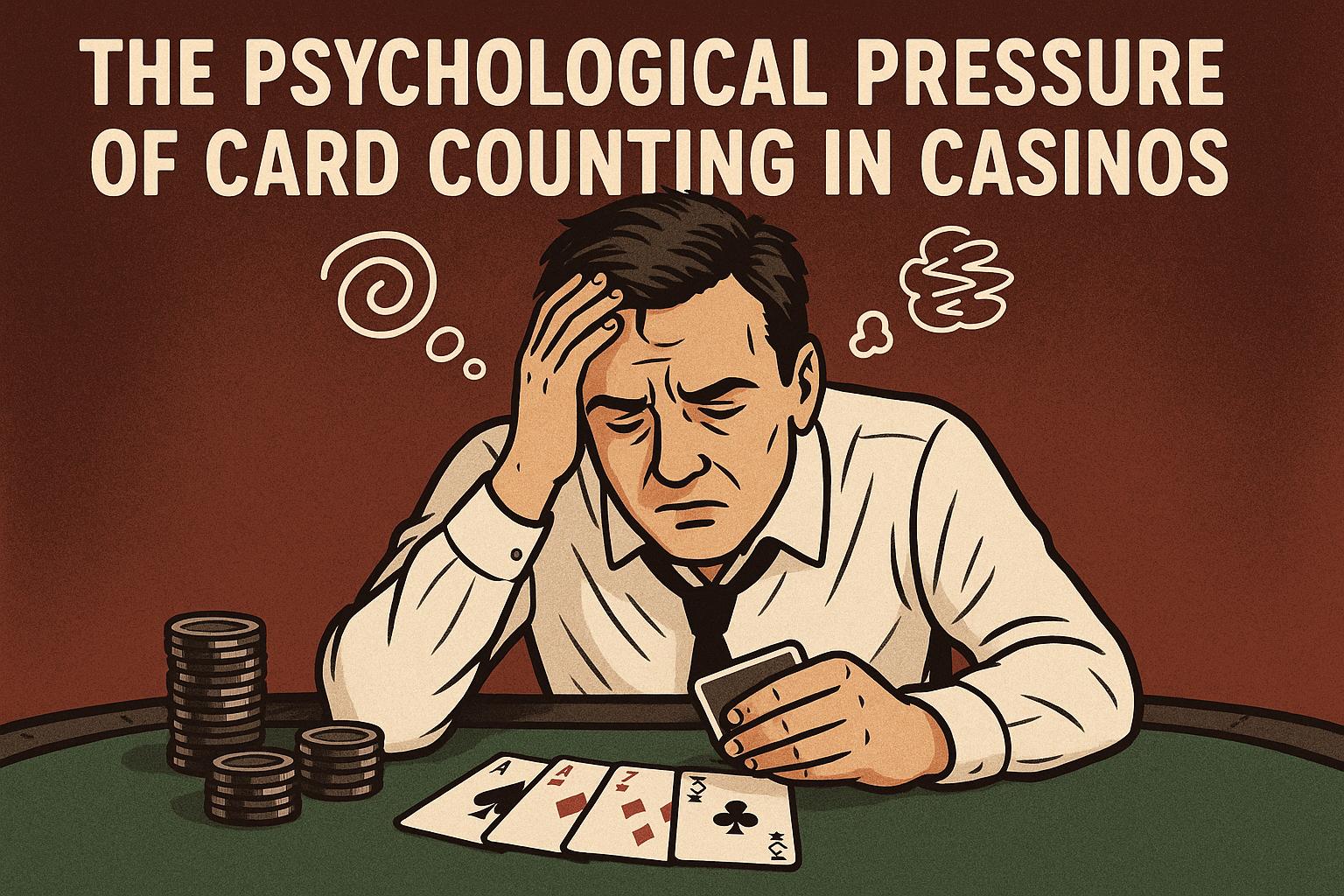
The primary psychological challenge of card counting stems from the mental acuity required. Players must maintain focus amidst distractions and rapidly changing game dynamics. Moreover, they have to execute mentally taxing calculations quickly and under pressure. This mental strain is compounded by the need to conceal their strategy from the casino’s staff. Given that patterns or anomalies in play can lead to increased scrutiny, the pressure to remain undetected can be significant.
The Stress of Detection
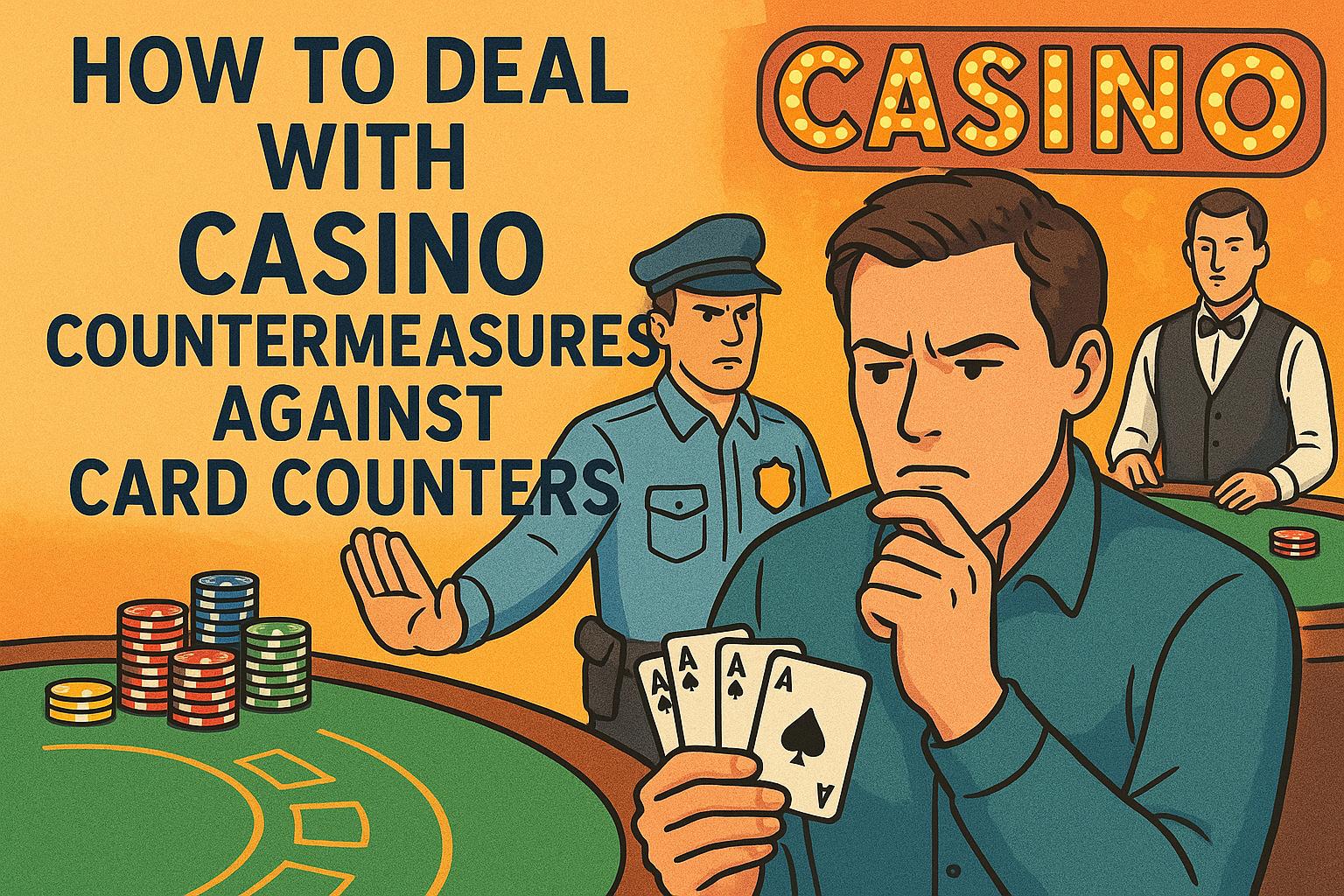
Casinos are vigilant against advantages gained through card counting. As such, players must mask their technique, often engaging in strategies that mimic randomness or unpredictability. This act of concealment not only demands concentration but also heightens stress levels as players contend with the possibility of being caught. Detection can result in ejection from the casino and potential bans from future play, making the stakes quite high for those attempting this skill.
The Influence on Performance
The cognitive load associated with card counting can adversely affect performance. As the brain tires, errors may increase, potentially undermining any statistical advantage built up over the session. The multifaceted demands of card counting—constant mathematical calculation, concealing strategy, and maintaining a facade—can lead to diminished returns for less experienced counters or those not adept at managing stress.
Dealing with the Pressure
Proficient card counters often develop specific techniques to manage psychological pressure. This might include practicing mindfulness to maintain focus or adopting breathing techniques to stay calm. Some card counters also work in teams to dissipate stress and share the cognitive load. For those interested, understanding the pressures and developing mental resilience is crucial. If you wish to delve deeper into handling stress and cognitive pressure in gaming, several resources are available that explore these issues extensively.
Understanding the Mechanics of Card Counting
Card counting operates on the principle of adjusting bets based on the player’s calculated advantage. In a typical blackjack game, the deck is rich in high cards—such as tens, jacks, queens, kings, and aces—by keeping track of these cards, players can determine when the deck is favorable to them. A deck that has more high cards is advantageous because players are more likely to hit a blackjack and the dealer is more likely to bust. Through counting, those who engage in this strategy can subtly increase their wagers when the count is high, thereby maximizing their potential gains.
Historical Context of Card Counting
Card counting has a storied past, rising to fame in the 1960s with the publication of Edward O. Thorp’s influential book, Beat the Dealer. Thorp was the first to use mathematics and probability theory to demonstrate that card counting could beat the game of blackjack. His method laid the foundation for the blackjack “revolution,” as players realized they could potentially shift the odds in their favor, challenging the casinos in a way that was not possible with other gaming strategies.
Myths and Misconceptions
Several myths surround card counting, one being that it is an illegal activity. Card counting is not illegal; instead, it is a legitimate method of playing with skill. However, due to the unfavorable shift it causes against the house edge, casinos reserve the right to refuse service to card counters. Another common misconception is that card counting requires a prodigious intellect or photographic memory. In reality, it involves simple calculations and practice to keep a running tally of card values, which most average individuals can learn with dedicated effort and training.
Card Counting Techniques
There are various counting systems, each differing in complexity and accuracy. Some popular methods include Hi-Lo, KO, and Omega II. The Hi-Lo system, one of the most widely used techniques, assigns a value of +1 to cards 2 through 6, 0 to cards 7 through 9, and -1 to 10, face cards, and aces. Using these values, a player can maintain a running count that assists in estimating the concentration of high and low cards in the deck. This running count is then converted into a true count by dividing it by the number of remaining decks to accurately gauge the betting advantage.
Maintaining the Edge
The goal of card counting is not merely to count cards, but to translate the count into actionable decisions during the game. Players must adjust their bets more aggressively when the count is favorable and play conservatively when it is not. Consistently applying these adjustments is critical to maintaining the edge gained through counting. Successful card counters often blend in with other players to avoid detection, ensuring their betting patterns do not betray the knowledge they have gained from the count.
Social and Ethical Considerations
Beyond the mechanical and cognitive aspects, card counting involves a layer of social interaction. Persuading fellow players and dealers that one’s decisions are driven by luck or intuition rather than skill is part of the challenge. Some may question whether it is ethically acceptable to employ card counting, while others see it as a legitimate use of skill within the game’s parameters. Ultimately, card counters must navigate not just the mathematical and psychological terrains, but also the ethical landscapes specific to their personal viewpoints and the casino culture in which they play.
The Future of Card Counting
In response to card counting, casinos continue to adapt their strategies, implementing multiple decks and continuous shuffling machines intended to thwart counters. Despite these challenges, the allure of card counting persists, with its combination of mental skill, risk, and potential reward drawing new players into the fold. Advances in technology and information continue to shape the landscape, offering new tools and insights to both counters and casinos alike. Card counting remains at the intersection of skill and chance, its future intertwined with the evolving rules and technologies of the game itself.
For more comprehensive insights into the mental strategies employed in games like blackjack, you can explore resources that delve deeper into the psychology of gaming. One such portal for further reading is Psychology Today, which offers articles on cognitive strategy, stress management, and the psychological aspects of gaming that are relevant to aspiring counters.