The rules of blackjack switch

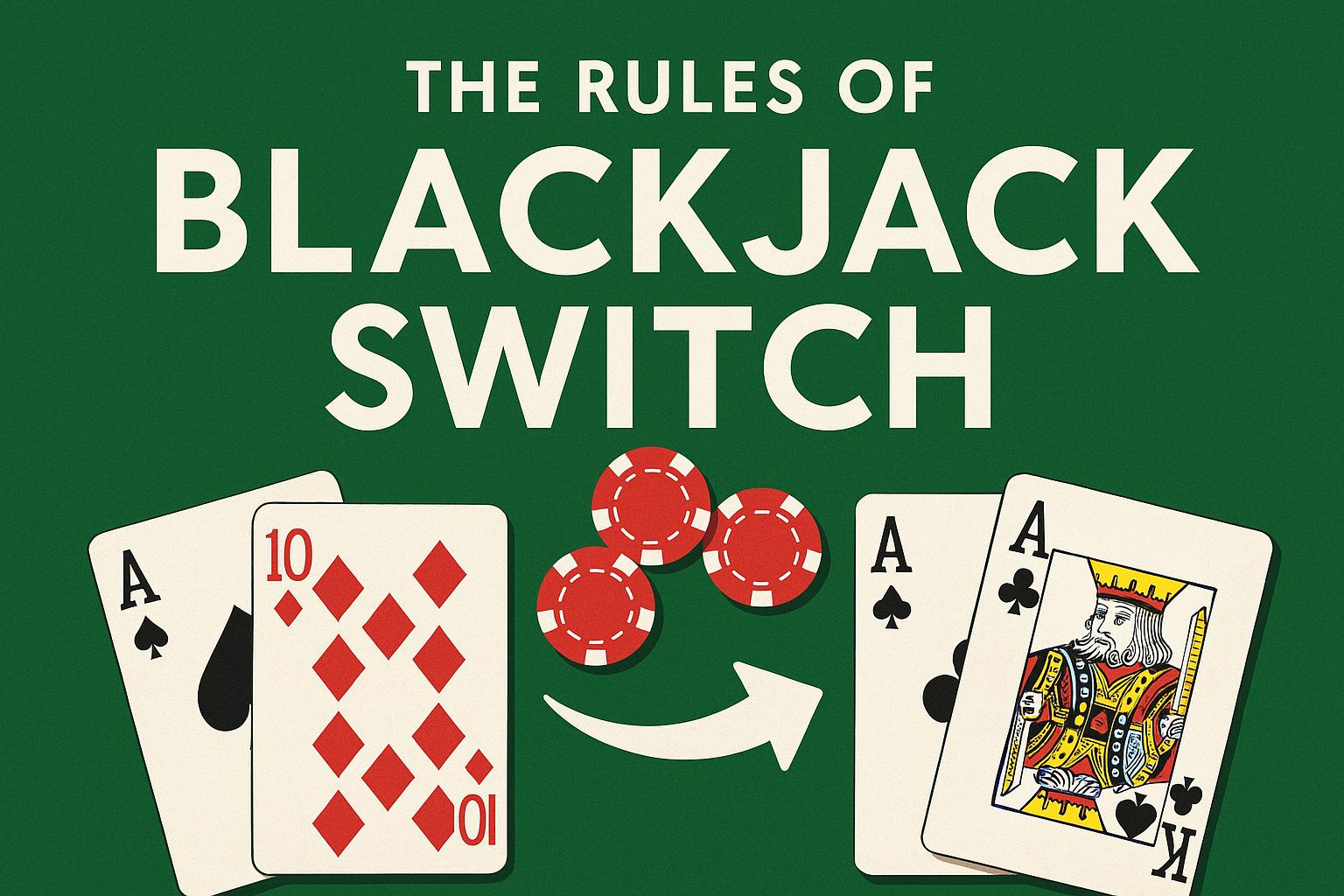
The rules of blackjack switch

Overview of Blackjack Switch

Blackjack Switch is a captivating variation of the traditional blackjack game that introduces unique features to enhance both excitement and strategic challenges. Unlike the conventional format, this variant allows players to switch cards between two hands, bringing a refreshing twist to the typical gameplay and increasing the depth of strategy involved.

Basic Rules of Blackjack Switch

Blackjack Switch offers players a distinctive edge by integrating the opportunity to manipulate their hands for potential gains. This section delves into the essential rules governing the game and how it differs from standard blackjack.

Dealing and Hands

In Blackjack Switch, each participant receives two separate hands instead of one. Each hand is comprised of two cards, and the players are then presented with the option to exchange the top cards between their two hands. This “switching” mechanism enables players to optimize their hand composition, potentially forming more competitive sets against the dealer.

Setting Up the Game

Typically, Blackjack Switch is played using six to eight decks of standard playing cards. The dealer distributes two distinct hands to each player, comprising two cards each. Players must then decide whether or not to switch the top cards between these hands. This decision forms the core strategic element of the game.

Winning Conditions

The primary objective in Blackjack Switch remains consistent with traditional blackjack: to achieve a hand value closer to 21 than the dealer, without surpassing 21. However, a notable distinction in this variant is the modified payoff for a blackjack hand, which conventionally pays out at 1:1 compared to the traditional 3:2 in standard blackjack.

Switch Rules and Dealer Adjustment

To balance the strategic advantage afforded to players through card switching, the game implements several dealer-favorable rules.

Twenty-Two Push: Unlike traditional blackjack where a dealer bust typically benefits the player, if the dealer busts with a hand totaling 22, all player hands, except those with a natural blackjack, result in a push. This means that no action is taken on the bet, effectively returning the player’s initial wager.

Dealer Hits Soft 17: In many instances of Blackjack Switch, dealers are mandated to hit on a soft 17, potentially augmenting their hand value and tightening the competition against players.

Strategic Considerations

The innovative feature of switching cards in Blackjack Switch introduces a strategic dimension absent in conventional blackjack. Players must prudently assess the advantages of reconfiguring their hands to create stronger combinations against the inherent risks of such a decision.

Players can utilize varied strategies, such as attempting to form a blackjack or improve weaker hands into more competitive formations. Mastering the interplay between risk and reward is essential for success in Blackjack Switch.

House Edge

The house edge in Blackjack Switch is generally elevated compared to classic blackjack, owing to the rule of a 22 push and the even payout for blackjack. With this in mind, players should adapt their strategies to accommodate these rule changes, which are intrinsic to optimizing success in this variant.

Financial Implications

The altered payout and modified rules can significantly impact a player’s overall profitability. Understanding the implications of these changes is crucial for anyone aiming to maintain an edge in Blackjack Switch, necessitating a well-rounded approach to strategizing the gameplay.

Additional Resources

For enthusiasts keen on enhancing their strategic knowledge or discovering locations that host Blackjack Switch games, a plethora of resources can be found online. These include comprehensive guides, casino recommendations, and engaging strategy discussions. By engaging with these materials, players can improve both their understanding and proficiency in this engaging casino game.

For more detailed insights into Blackjack Switch strategies, consider exploring some established gaming resources or visiting casino sites that offer in-depth discussions and analyses. The learning opportunities available through these channels can be instrumental in mastering the intricacies of Blackjack Switch.

The links below can direct you to additional online resources:

These resources can enhance a player’s comprehension of the game, offering seasoned advice and tactics tailored to this specific blackjack variant. Players seeking to refine their skills and approach are encouraged to delve into these materials, maximizing their potential at the Blackjack Switch table.
How to play Spanish 21 blackjack

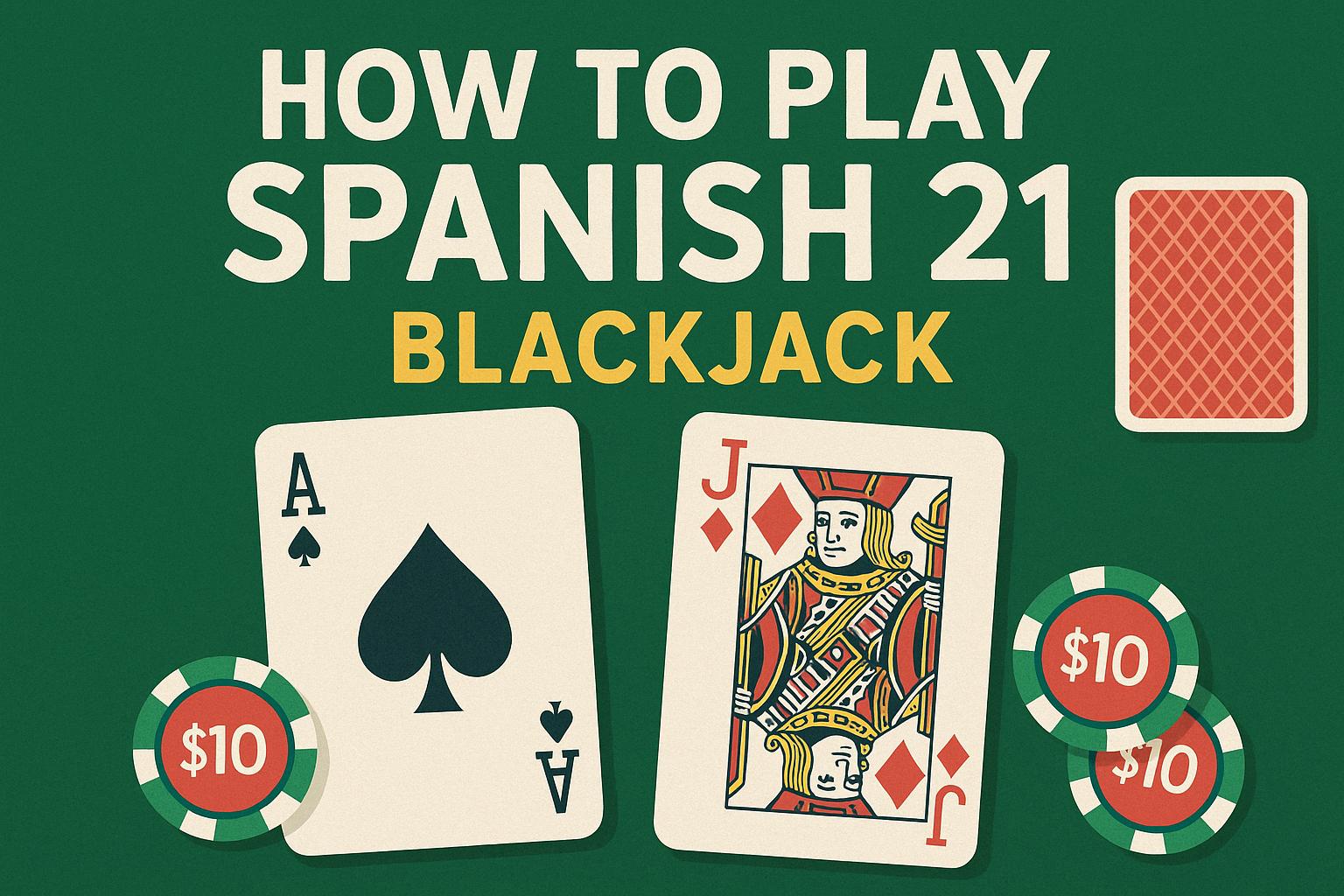
How to play Spanish 21 blackjack

Understanding Spanish 21 Blackjack

Spanish 21 is an intriguing take on the classic game of blackjack, offering a fresh set of challenges and opportunities for players. This version maintains the essential premises of traditional blackjack but introduces unique rules and features that provide distinct advantages and alter the game’s dynamics. Typically played with either six or eight decks, Spanish 21 differs from standard blackjack through the removal of all the 10s, leaving each deck with 48 cards instead of the usual 52.

Key Rules of Spanish 21

While the core objective of Spanish 21 remains to achieve a hand value closer to 21 than that of the dealer, the absence of 10-value cards introduces new dynamics. This change requires players to adjust their strategies and approach to maximize their chances of success. Despite the absence of these cards, Spanish 21 includes several favorable rules that make the game appealing and strategic.

Player-Friendly Options: Spanish 21 is designed with several player advantages, enhancing the gaming experience:

  • Surrender: Both early and late surrender options are often available, allowing players to give up on a hand they believe to be unwinnable and reclaim half of their wager.
  • Re-splitting and Doubling: Players have the ability to re-split aces and are also allowed to double down on any number of cards, offering more flexibility in their gameplay.
  • Bonus Payouts: Players can benefit from bonus payouts when achieving a 21 with a hand comprised of five or more cards, providing an incentive for strategic hand-building.
  • Beating the Dealer’s 21: When both the player and the dealer end up with a total of 21, the player wins, a rule that shifts the advantage towards the player.

Strategies for Playing Spanish 21

The absence of 10-value cards in Spanish 21 necessitates a modified strategic approach. Here are some strategies tailored for this variation:

Hit More Often: Since the decks lack 10s, your chances of going bust with a hit are reduced. Consequently, you can afford to hit even when your hand total is relatively high, compared to traditional blackjack.

Take Advantage of Bonuses: With the opportunity for bonus payouts when stringing together hands of five or more cards, aim to construct these high-value hands strategically. These bonuses can significantly enhance your overall winnings.

Use Surrender Wisely: Employ the surrender option judiciously, especially when facing hands with low odds of success. This strategy can help minimize potential losses over time, making it an essential tool in Spanish 21.

House Edge and Variations

Spanish 21 is often recognized for offering a more favorable house edge than traditional blackjack, particularly when players are adept at leveraging the game’s advantageous rules. However, it’s important to note that the exact rules and variations of Spanish 21 can differ across casinos, potentially affecting the house edge. Therefore, reviewing the specific house rules in place at your chosen casino before playing is crucial.

Conclusion

Spanish 21 offers a captivating variation on the traditional blackjack structure, enriching the gaming experience with a unique set of rules and the potential for lucrative bonus payouts. By understanding and implementing the game’s specific strategies, players can navigate Spanish 21 effectively, ensuring an engaging and potentially rewarding endeavor. For those interested in further enhancing their skills in blackjack and its variations, it’s advisable to consult resources from esteemed gaming strategy experts and online platforms. Exploring these insights can provide valuable knowledge and boost your proficiency in playing Spanish 21.

The risks of getting caught counting cards

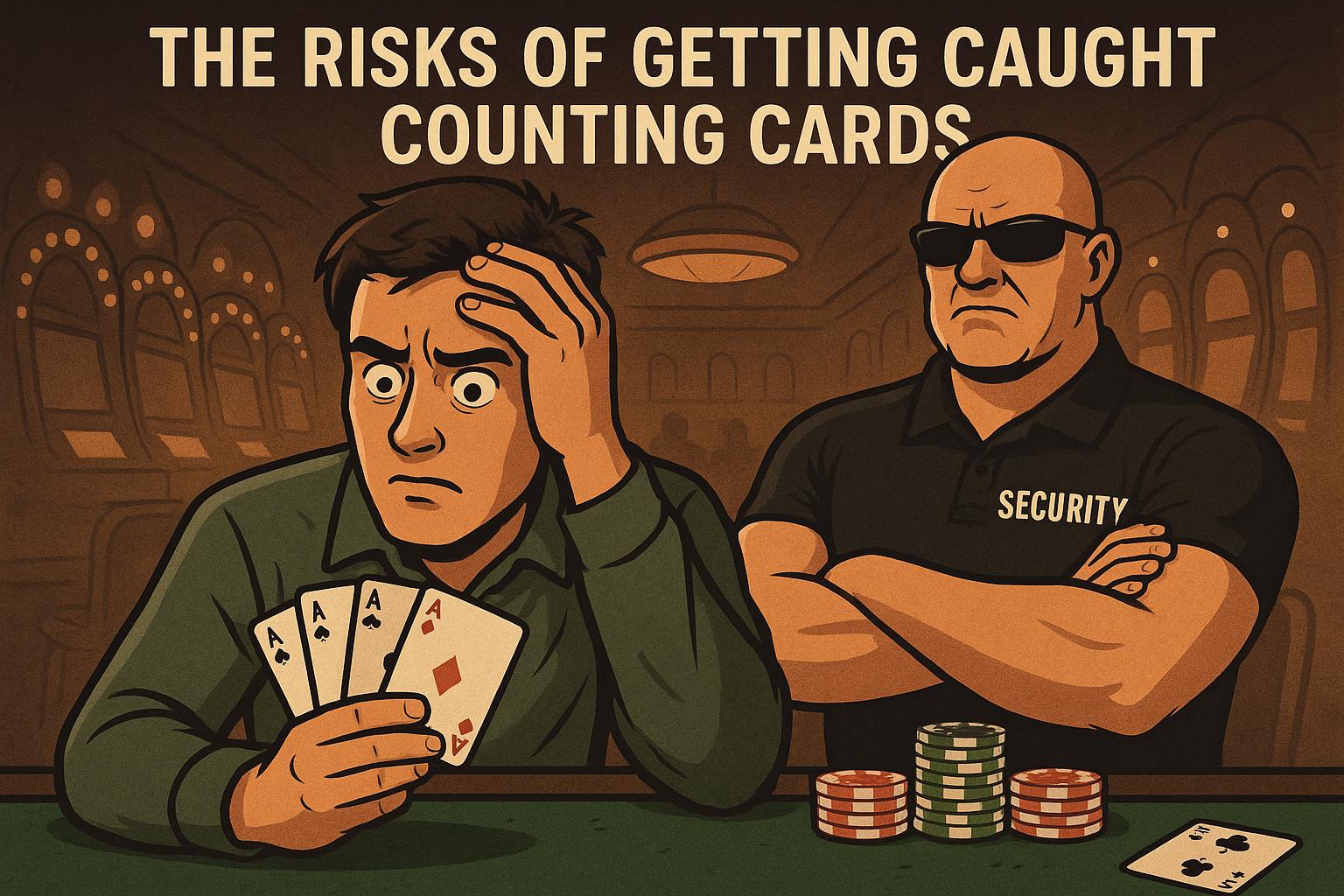
The risks of getting caught counting cards

The Risks of Getting Caught Counting Cards

Understanding Card Counting

Counting cards, a technique used primarily in blackjack, allows players to determine the likelihood of certain cards being dealt in subsequent hands. By keeping a mental tally of high and low cards, players can make informed decisions and alter their bets to gain an advantage over the casino. While the act of card counting itself is not illegal, casinos are well within their rights to deter such practices since it shifts the balance from the house back to the player, potentially threatening casino profits.

Legal Implications

No specific laws outlaw counting cards, providing a legally gray area for practitioners. However, casinos reserve the right to refuse service to patrons they suspect of employing this strategy. If identified as a card counter, one could face removal from the premises and be prohibited from returning, sometimes indefinitely. In certain jurisdictions, the strategic collaboration among casinos allows them to share information about individuals suspected of counting cards. This shared intelligence can lead to a person being banned from numerous gambling venues, significantly limiting their ability to play professionally or recreationally.

Surveillance and Security Measures

Casinos invest heavily in surveillance systems and employ a multitude of tactics to identify and manage card counters. Advanced video surveillance, coupled with facial recognition technology, forms the backbone of their monitoring efforts. Additionally, some casinos hire previous card counters or gaming experts specifically to spot the subtle signs of card counting, focusing on detecting deviations from typical betting patterns. Furthermore, pit bosses and floor staff are trained to watch games closely, alert to behaviors that suggest counting tactics. This combination of human vigilance and technological sophistication represents a formidable challenge for anyone attempting to count cards.

Psychological and Social Consequences

Being caught counting cards can have considerable psychological ramifications. When escorted out of a casino, there is often a significant degree of embarrassment involved, particularly if the event occurs in full view of other patrons. This scenario can be particularly damaging to professional gamblers who depend heavily on their reputation within the gambling community. The label of a card counter carries a social stigma, which can lead to isolation and negatively affect personal and professional relationships within this tight-knit community.

Financial Risks

Card counting also comes with significant financial risks. In some instances, if a player is caught, the casino has the authority to confiscate any chips and winnings accrued during the time the player was counting cards. Such financial setbacks are compounded by the investment players have made in learning and perfecting their card counting skills, as well as in the time they have spent honing their abilities, which may be rendered worthless if they are frequently barred from playing. Additionally, the growing reliance on technology means that even players with honed skills may find their strategies increasingly ineffective due to casino countermeasures.

Technological Countermeasures

In an effort to neutralize card counting, many casinos have introduced technological tools such as continuous shuffling machines or automatic card shufflers. By constantly reshuffling the deck after each hand, these machines effectively randomize the card order, greatly diminishing the practicability and success rate of traditional counting methods. This technological innovation presents a substantial hurdle for card counters, forcing them to either adapt to these changes or consider alternative strategies.

The Ethical Debate

The discussion around the ethics of card counting is ongoing and often contentious. Proponents argue that it is a skill-based strategy requiring considerable mental acuity and practice, akin to any other strategic approach utilized in games. In contrast, detractors argue that card counting takes advantage of predictable patterns in card decks, undermining the principle of random chance which underlies most casino games. This debate continues to fuel discussions within both the gambling industry and the wider public, reflecting differing views on what constitutes fair play.

Alternative Strategies

For those apprehensive about the repercussions of card counting, exploring alternative gambling strategies may prove beneficial. These strategies can offer ways to engage with games of chance without attracting undue attention or flouting casino restrictions. By balancing skill and chance, one can enjoy the excitement of gambling while adhering to casino regulations and avoiding potential conflicts with casino authorities.

Conclusion

Ultimately, card counting, while an intriguing and skill-based approach to blackjack, is rife with risks. Players interested in this method must consider the various implications, from legal and financial to social and psychological, before deciding to employ it. Given the challenges posed by modern surveillance and countermeasures, as well as the potential for reputational damage, prospective card counters might want to evaluate whether the potential benefits truly outweigh the substantial risks involved. Exploring safer and compliant gambling options may be a wiser choice for many.

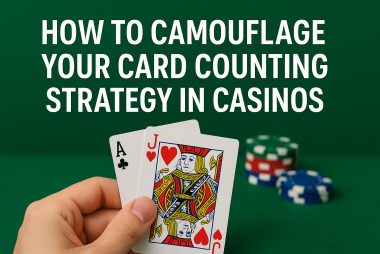
How to camouflage your card counting strategy in casinos

How to camouflage your card counting strategy in casinos

Understanding Card Counting

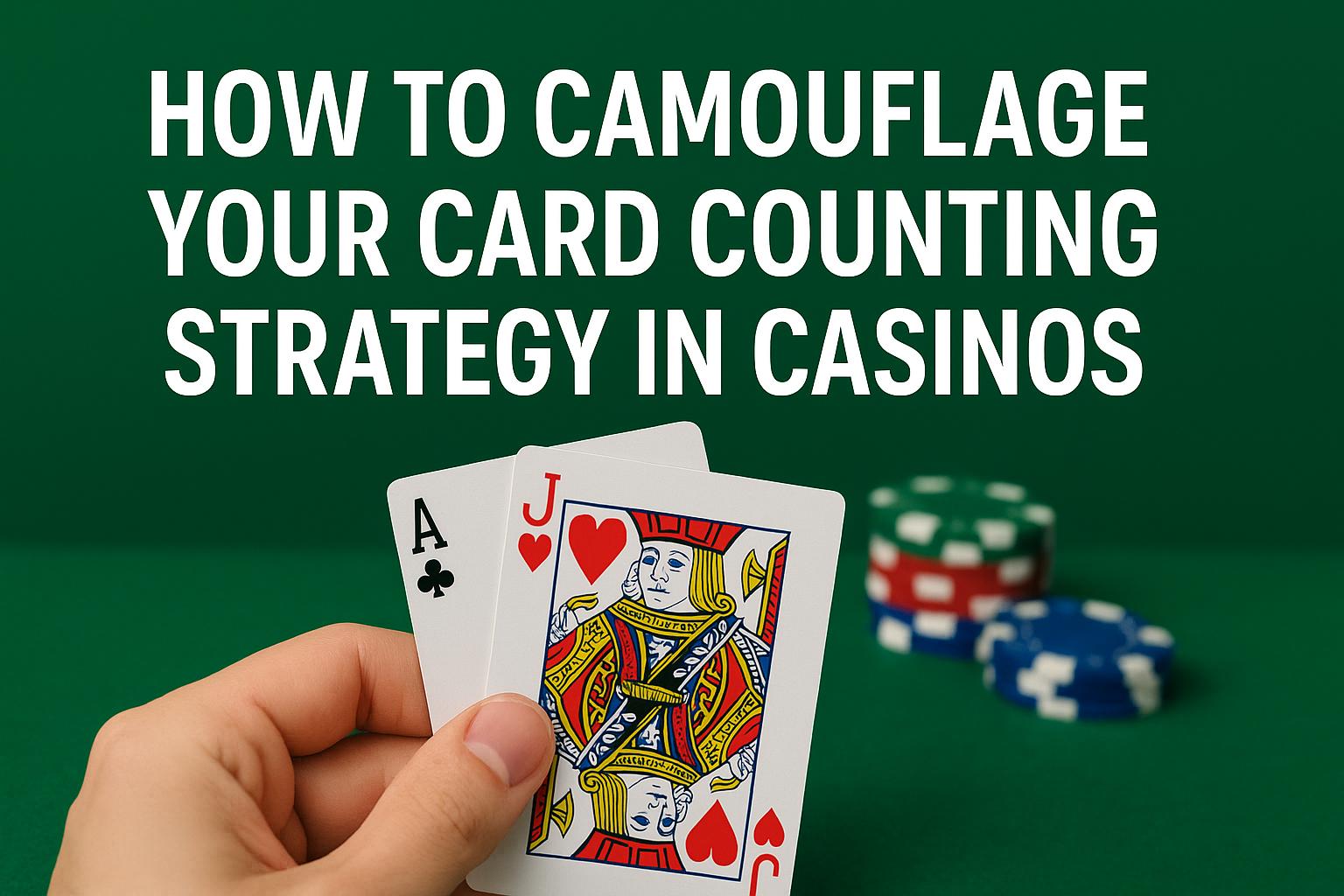
Card counting is a strategic tool utilized in the game of blackjack to assess if the subsequent hand is likely to favor the player or the dealer. This technique involves maintaining a running tally of all the high and low cards observed by the player during gameplay. Although not considered illegal, card counting is viewed unfavorably by casinos, which may decisively bar players they suspect are deploying this method.

Basic Principles

The fundamental objective of card counting is to track the proportion of high cards to low cards remaining in the deck. This ratio is crucial, as a higher number of high cards, like tens and aces, leans the odds in favor of the player by enhancing the likelihood of achieving a blackjack or a winning hand. Techniques such as the Hi-Lo system exemplify an efficient approach, wherein high cards are assigned a value of -1, and low cards are valued at +1.

Camouflaging Strategies

Casinos maintain a watchful eye for card counters, making it essential for players to blend seamlessly with others at the table. Here we’ll explore several techniques designed to conceal card counting activities.

Maintain a Casual Demeanor

Adopting a relaxed demeanor at the gaming table can effectively deter suspicion. Professional card counters typically exhibit minimal emotion while playing, blending into the surrounding environment. They often engage in casual conversations with other players or the dealer, appearing more interested in the enjoyment of the game itself rather than remaining intently focused on the cards.

Vary Betting Patterns

One of the most telling signs that a player may be counting cards is inconsistent betting amounts, often correlated with the card count. To obscure this tactic, some players adopt varied betting patterns that appear spontaneous and devoid of correlation to the card count. These patterns are aligned with the natural progression of hands, thus maintaining a lower profile.

Avoid Consistent Wins

Achieving consistent wins can raise several red flags to casino staff. To counter this, players may allow the house to win occasionally by deliberately making a poor decision. This semblance of artificial randomness can be strategically advantageous when the count is high, and a low wager is preferable.

Table Hopping

Frequent changes in tables serve as another effective camouflage technique. By changing tables regularly, players can decrease the likelihood of being recognized by security personnel or casino staff. Nevertheless, it is important to avoid leaving noticeable patterns in movement, as such patterns could inevitably attract attention.

Legal Considerations

It is important to emphasize that card counting does not constitute illegal activity since it doesn’t necessitate the use of devices or external aid. Nonetheless, casinos reserve the right to deny service to anyone they suspect of utilizing card counting. Therefore, being well-versed in understanding casino policies and the specific legal interpretation in a given location can be advantageous.

Concluding Thoughts

While card counting can provide significant benefits, it is crucial to recognize that casinos are adept at identifying counters. Employing strategies to mask these methods allows players to continue card counting with lessened risk. Mastering the art of blending in, paired with the execution of effective card-counting strategies, can enable protracted and successful gameplay. However, it is essential to remember that, apart from proficiency in counting, the essence lies in discretion.